

1. Introduction
Fonseca et al. observed that the construction sector faces increasing pressure to enhance efficiency and productivity in a competitive environment. This sector is recognised for its significant contribution to global gross domestic product (GDP) and substantial employment opportunities [1]. Consequently, maintaining competitiveness is a key concern [2]. Fonseca et al. noted that most technicians in construction spend much of their time gathering and compiling data, overseeing data management, and preparing reports that support decision-making [1]. Härkönen et al. highlighted that the construction industry lags behind other sectors in data management, often due to disorganised information handling and fragmented documentation managed inconsistently [3]. According to Bogonza, the industry is transitioning from traditional project management to modern, digitised approaches characterised by advanced technologies, such as the internet of things (IoT), building information modelling (BIM), automation, blockchain, and other communication tools, where effective data management ensures that data is always accessible when needed [4, 5].
According to Dama, the core of data management is data governance, as it ensures the effective execution of data management [6]. Not only that, Abraham et al. added that data governance involves handling data risks in various institutions. This is because data governance enforces many data-handling-related procedures [7]. Dama further explained that data governance focuses on how choices regarding data are made and how processes and individuals must comport themselves in relation to data [6]. This applies to construction organisations as long as they fall into the relevant category and involve both data and people. Like any other industry, the construction sector is not exempt from excess data generation due to the adoption of Information and Communication Technology (ICT) tools [8, 9]. This generated data must be effectively governed, as emphasised by Tanga et al. [2], who highlighted that inadequate data governance and management can lead to security vulnerabilities, resulting in significant costs for organisations. Bernardo et al. supported this statement by noting that businesses across various markets and industries often lack a solid structure, framework, and strategy for data management, which can protect against potential risks, such as data loss, disasters, and system failures [10]. Therefore, data governance, being a major element in achieving data management, is essential for maintaining holistic control over project data.
Goel et al. stressed that data governance in information systems is gaining attention; however, despite its critical importance, it remains a largely under-researched field and is seldom implemented in industry [11]. Bernardo et al. further explained that many organisations have traditionally ignored and undervalued data governance, giving it little attention due to the significant investment and complexity it demands [10]. Abraham et al. outlined a data governance approach that defines key antecedents, parameters, organisational, domain, and data scope, as well as governance mechanisms, providing practitioners with a structured framework for implementing data governance [7]. The work of Randhawa discussed data governance in the financial industry, aiming to examine the strategies employed by effective company data managers in selected US banks to adopt data governance frameworks for minimising operational costs and risks [12]. However, these previous studies might have overlooked the unique challenges of managing data across construction stakeholders. Although other sectors also generate large amounts of data, the construction industry is the focus due to its low maturity level in both management and governance of data produced by these technologies [4, 13, 14]. Therefore, the objective of this study is to assess the impact of data governance on data management in the South African construction industry in order to enhance the overall project success. The South African construction industry is chosen as the case study because digitalisation faces specific challenges as a developing country, including outdated policies, insufficient staff training, and a general lack of workforce readiness [13].
The concept of data governance in this study is based on the Data Management Body of Knowledge (DMBOK) framework, using it as a conceptual lens to examine the impact of data governance on data management in the South African construction industry. The DMBOK provides structured guidance on roles and processes essential for effective data governance. Its use is justified because it offers a comprehensive approach to managing project data, which is crucial in construction, where multiple stakeholders produce large volumes of complex data [6]. While the DMBOK provides a strong foundation, it may not fully capture all the contextual nuances of the construction industry and the South African construction sector, highlighting the need for this study. This research will contribute to the body of knowledge by offering a deeper understanding of the significance of data governance within the South African construction sector and educational institutions. The study is guided by the following question: What are the impacts of data governance on data management in the South African construction industry?
2. Theoretical Background of Data Governance
Philips-Ryder et al. claimed that information provided in various documents in the construction sector is not always sufficient, and documents requested by project members sometimes lack adequate project-related information [15]. Thus, these issues necessitate standardisation in project documents and data management that can enhance the team’s effectiveness in completing the project on time. The existing literature on data management makes it clear that data governance is a fundamental component of data management [6, 8, 16]. Thus, there is no data management without data governance. Khatri and Brown stressed that data governance encompasses all the decisions required to ensure the successful usage of data and IT, as well as to ensure that the responsible individuals in organisational decision-making are on the right track [17]. This area of data management is crucial, as it indicates the direction for all the organisation’s decisions [17]. According to Bernardo et al., several companies are now focusing on addressing data governance concerns, since they recognise it as one of the key factors that differentiates successful companies from those that struggle to extract value from their data [10]. Consequently, businesses are rethinking the roles and responsibilities of stakeholders to emphasise the significance of people, technology, and processes in their data governance projects. Jones et al. explained that effective data governance requires establishing staff education, clear policies, robust technological systems, routine audits, risk evaluation and mitigation strategies, and ongoing compliance checks [18]. By following these guidelines, many organisations can uphold the confidentiality, integrity, and accessibility of private data.
Data governance plays a vital role in organisations by establishing the processes, standards, and metrics necessary for secure and effective management of data assets. It ensures that data is accurate, accessible, consistent, and protected while also formalising accountability across the organisation [19].
Poor data governance increases vulnerability to cyber threats, breaches, and unauthorised access. This is exacerbated by the growing digital complexity and evolving privacy regulations, which further complicate data protection efforts [20]. However, robust data governance frameworks provide a reliable solution. By enforcing policies for data stewardship, access control, and risk management, organisations can reduce the likelihood of data breaches and foster regulatory compliance. To effectively implement data governance, organisations must comply with industry-specific laws and standards, such as the General Data Protection Regulation (GDPR), Protection of Personal Information Act (POPIA), Electronic Communications and Transactions (ECT), Health Insurance Portability and Accountability (HIPAA), and Payment Card Industry Data Security Standard (PCI DSS). These regulations are designed to protect sensitive data, ensure privacy, and maintain the integrity of transactions. Most importantly, adhering to these regulations significantly reduces the risk of data breaches, unauthorised access, and misuse of information [21, 22]. Bernardo et al. added that a solid foundation in governance can enhance daily operations, improve data quality, and strengthen data-driven functions, such as reporting and decision-making. Without it, there is a high risk of making poor decisions based on inaccurate or incomplete data [10].
A well-structured data governance policy aligned with business needs leads to numerous organisational benefits. These benefits include better control over business processes and enhanced performance in data analysis, maintenance, and reporting [23]. Effective data governance also strengthens security by protecting data through robust access controls, encryption, and monitoring. It supports regulatory compliance, helping organisations avoid fines and reputational damage. Additionally, standardised data practices improve operational efficiency, increase data quality, and enable faster, more informed decision-making [20]. Prado et al. also noted that effective archiving, optimised database performance, and secure access to accurate data further reinforce data management through governance [23]. Beyond these benefits, data governance assists in risk mitigation, legal compliance, and fraud prevention, ultimately boosting client satisfaction by ensuring data accuracy, consistency, and accessibility.
Despite the clear benefits and structured frameworks available, implementing and maintaining data governance poses significant challenges. For instance, ensuring compliance with an ever-evolving landscape of regulations, such as GDPR, HIPAA, and California Consumer Privacy Act (CCPA), is a major challenge for organisations. This is because compliance requires a thorough understanding of regulatory requirements and the implementation of processes and controls to meet these standards. This can be resource-intensive and complex, particularly for organisations with large volumes of data and multiple data sources [19]. Dama put forward that another major challenge is embedding data governance into the organisational culture [6]. Thus, success strongly depends on support from all levels of the organisation, which requires continuous training, awareness-building, and the promotion of accountability and responsibility in data management [19]. Another key issue is maintaining a balance between securing data and allowing authorised users convenient access to it. Additionally, defining clear responsibilities for data ownership and stewardship can be difficult, especially in large organisations with decentralised systems and fragmented data management structures [20].
Julakanti et al., and Leiva and Castro explored the disruptive potential of blockchain technology and its integration with artificial intelligence (AI) in several studies, including clinical trials. They emphasised how these two technologies enhance governance practices and provide innovative solutions for long-term data protection [20, 24]. Batool et al. argued that while AI transforms many industries, it also introduces new risks that must be identified, assessed, and mitigated [25]. Therefore, the key questions that need to be addressed before adopting AI include who is responsible for governing AI systems, what specific aspects are being managed, when governance should occur during the AI development life cycle, and how governance is implemented through frameworks, policies, and models [25]. Answering these questions is essential to safeguard against potential risks and ensure the responsible adoption of AI technologies. Thus, employing these questions in the construction sector would enhance data governance by improving transparency, accountability, and efficient project management. Project management encompasses multiple phases, including the feasibility phase, design phase, construction phase, and post-construction phase [26]. This study focuses on the execution and monitoring process, which is part of construction project management, as more data is generated daily as the project progresses and demands greater attention to deliver satisfactory outcomes. According to Chukwurah et al., agile project management platforms, such as Azure DevOps, Trello, and Jira, offer functionalities for managing iterative processes, improving team collaboration, and tracking progress [19]. These platforms can be customised to support data governance efforts by designing workflows and dashboards that manage policy implementation, track compliance, and handle data-related tasks.
Sugureddy stated that in data governance, strong data security measures must be enforced, including encryption in transit and at rest, multi-factor authentication, strict access controls, and regular security audits, to protect project information [21]. Chukwurah et al. proposed that platforms such as Informatica, Collibra, and Alation offer comprehensive tools for overseeing data governance outlines [19]. They provide capabilities such as data cataloguing, policy implementation, quality control, and compliance tracking. Sugureddy emphasised that establishing effective data governance begins with creating clear, well-defined policies that align with business objectives and compliance requirements [21]. These policies offer a framework for consistent and efficient data management.
Dama added that organisations implement data governance as a form of monitoring to effectively support data production and utilisation while ensuring that fundamental activities are carried out with discipline [6]. Nevertheless, various researchers have expressed differing opinions regarding the specific variables of data governance, which depend on the type of enterprise and the objectives to achieve [7, 27]. According to Khatri and Brown, Dama, and Yebenes and Zorilla, data governance encompasses policies, standards, guidelines or rules, ownership, stewardship, key performance indicators (KPIs), objectives, cultural change, ethics, principles, data maturity assessment, data valuation, data classification strategies, and the identification of decision-making authorities, bodies, rights, and responsibilities [6, 8, 17]. Additionally, Nourani et al. emphasised that the standards to be followed regarding the gathering, storage, exchange of data, and reporting of adverse events represent specific variables of data governance in clinical data [28]. According to Xtensible, IT and business alignment, data management responsibilities and roles, data management policies, principles development, communication, maintenance, enforcement, service culture, and data management tools and technologies should not be excluded from the set of variables of data governance in enterprises [29]. For Intra-Governmental Group on Geographic Information (IGGI), data standards, data audit, responsibilities, quality objectives, data management plans, data ownership, and policy development are crucial for intra-governmental geographic information governance [30]. In the health sector, Shaunton et al. stated that data stewardship, ethical and legal data use, and accountable policies must be considered in data governance [31].
Capability Maturity Model Integration (CMMI) also believed that data governance should not be excluded from data management’s important practices that incorporate governance management, metadata management as well as business glossary [16]. Khatri and Brown posited that a data governance framework can still be used to achieve successful project data management in many industries [17]. Dama stated that although data governance is a complex concept, governance, in general, is widely understood. Instead of creating entirely new methods, data management experts can adopt the concepts and principles from other forms of governance for data governance. A typical comparison is to relate data governance to auditing and accounting, where auditors and controllers establish guidelines for managing financial assets, while data governance professionals create the rules for handling data assets, with other departments executing these rules [6]. Bernardo et al. stressed that organisations need to understand that creating, implementing, and maintaining a data governance program demands a considerable investment of resources such as skilled personnel, financial support, and time [10]. Additionally, establishing a strong data governance framework encompassing its model, culture, and structure is gradual. It requires time to effectively meet all organisational needs, including risk management, operational efficiency, strategic decision-making, and regulatory compliance [10].
3. Research Methodology
To efficiently manage the large sample size within the chosen research area in a relatively short period, this study adopted a quantitative approach. This study aimed to assess the impact of data governance in the South African construction industry. The study’s population were the professionals employed by companies or organisations in South Africa, including architects, engineers, construction project managers, and construction managers. The selection of South Africa was driven by the fact that the country faces unique challenges related to data governance, such as inadequate data maturity, making it essential to understand and improve data governance and management practices. As Cubrich et al. suggested, the professionals were selected randomly using their LinkedIn profiles using Google Forms [32]. They were also chosen based on their experience and competence, which were essential for the goals of the study, as shown in Table 1. The study was approved by the Ethics and Plagiarism Committee (FEPC) of the Faculty of Engineering and the Built Environment at the University of Johannesburg (approval No. UJ-FEBE-FEPC-01074). The sample size of the study was obtained and adapted from Aghimien et al. [33] and reports from South African construction professional bodies. These reports showed the number of registered members, such as 11,551 in South African Council for the Architectural Profession (SACAP) (in 2025), 53,000 in Engineering Council of South Africa (ECSA) (in 2022), 7785 in South African Council for the Project and Construction Management Professions (SACPCMP) (in 2018), and 4539 in South African Council for the Quantity Surveying Profession (SACQSP) by the end of 2018. Using Cochran’s sample size formula, the study initially estimated a sample size of 500, which was later reduced to 300. This was based on a large population of 59,208, with a 90% confidence level and a ±4.74% margin of error to estimate at least 50% of the population proportion, as Darling illustrated [34]. The author explains that to use a particular sample size, the typical margins of error are ±3%, ±5%, ±7%, and ±10%, where a higher margin of error results in a smaller sample size and less representation of the population, as indicated in the calculation above.
Table 1
Respondents’ background.
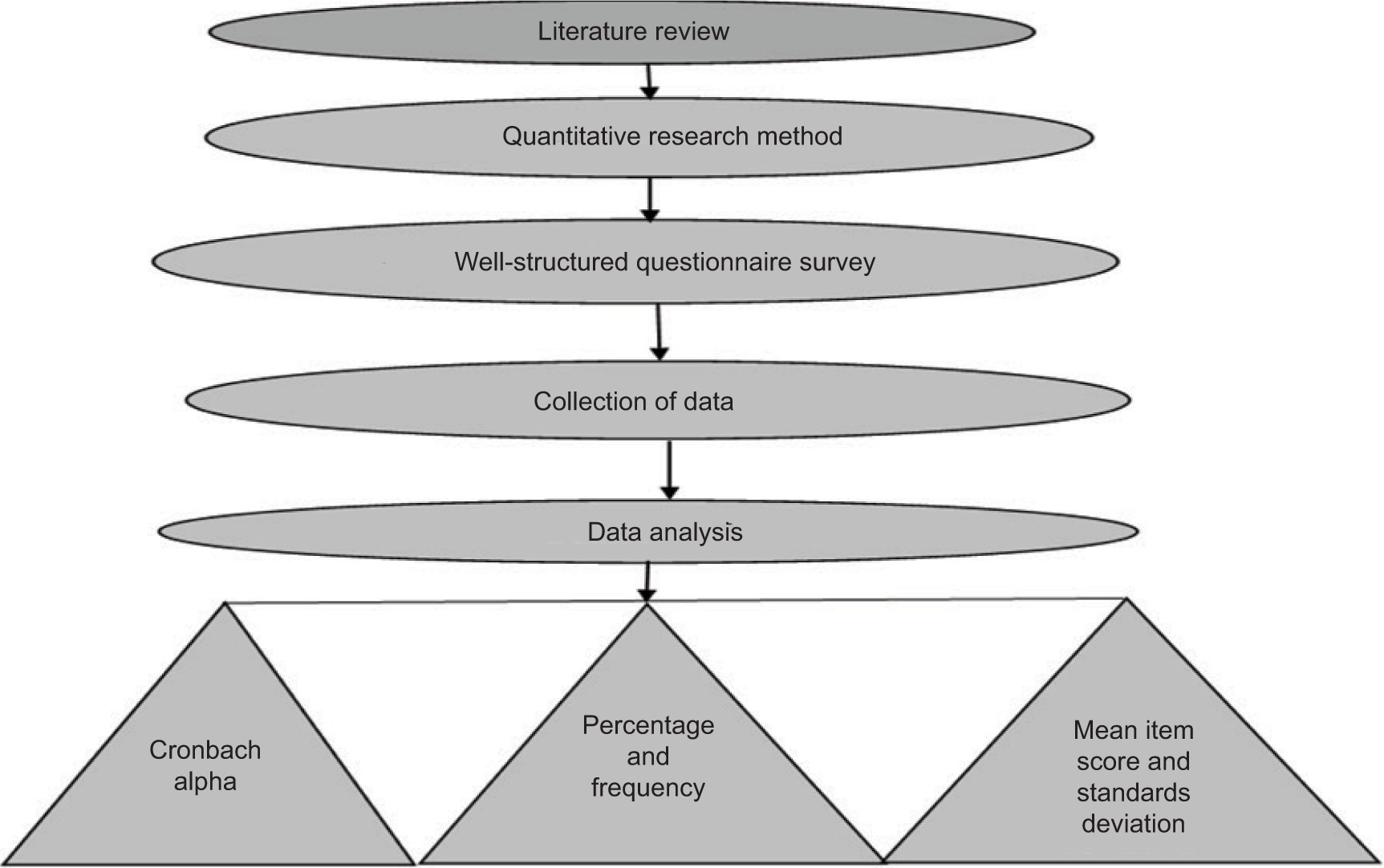
A simple random sampling technique was employed to ensure that each individual had an equal chance of being included in the sample. A well-structured questionnaire was developed based on a comprehensive literature review, employing a five-point Likert scale to collect data. Participants were asked to rate various characteristics according to their opinions and professional expertise. As Stephen et al. stated, the questionnaire should undergo a pilot test before being distributed to the final respondents [35]. Therefore, the study’s questionnaire was piloted among six participants to gather feedback. The pilot study revealed that some survey items required rephrasing for clarity, and certain questions were modified to better suit the South African construction context; this feedback was then incorporated into the final questionnaire, which was subsequently distributed to the respondents. Furthermore, analytical tools, such as Mean Item Score (MIS), Standard Deviation (SD), and Exploratory Factor Analysis (EFA), were employed in the study. This aligns with the studies by Gebremedhin et al. and Oke et al., who adopted a similar methodology in their research [36, 37]. Pallant illustrated that while the MIS prioritised variables based on participant opinions, descriptive statistics were used to analyse the respondents’ demographic data [38]. Additionally, Oke et al. noted that EFA could explore how the factors in the study interacted with each other, as evidenced in their study [37]. Similar to the Tanga et al.’s research, this study utilised Cronbach’s alpha to assess the survey’s reliability [2]. The result was 0.876, which was very close to the recommended reliability threshold of 1.0 [38]. A summary of the research methodology is presented in Figure 1.
4. Findings and Discussions
4.1. Background Information
Based on Table 1 findings about respondents’ professional affiliations, all respondents met the requirements for answering the questionnaire created especially for this study because they possessed the required educational background. Given that 72.5% of respondents had experience in the construction business, ranging from 6 to more than 20 years, the results also demonstrated that all respondents had enough experience to provide appropriate answers to meet the research objective.
Most respondents hold advanced degrees (Master’s and Doctorate), indicating they likely possess the knowledge and analytical skills needed to understand complex concepts, such as data governance. Honours degree holders also make up a notable portion, reflecting a strong academic background among the respondents. Additionally, those with bachelor’s and post-matric certificates form a smaller share, yet they still contribute practical, hands-on experience. Regarding professional affiliation, engineers constitute the largest group, probably because they are directly involved in the technical and data-intensive aspects of construction projects. Followed by construction managers and quantity surveyors, who offer insights into project coordination and costs, key factors in understanding how data governance impacts the overall project outcomes. Architects and project managers provide perspectives from design and the overall project management viewpoints. This diversity of professionals ensures that the study encompasses a wide range of perspectives, including both technical and managerial roles, which is vital for understanding how data governance functions across different areas of construction. Lastly, a significant proportion of respondents have between 1 and 10 years of experience, demonstrating familiarity with modern construction practices and current digitalisation challenges. The inclusion of more experienced professionals with 11–20 or more years of experience adds valuable historical insights and lessons learned from longer-term projects. No respondent was newly employed with <12 months of experience, thereby avoiding the inclusion of individuals unfamiliar with construction data governance issues. The presence of both mid-career and senior professionals offers a balanced view, thereby enhancing the reliability of the study’s findings on the impact of data governance on data practices.
4.2. Mean Item Score and Standard Deviation for Data Governance Attributes in Data Management in the Construction Industry
A descriptive factor analysis (FA) was conducted to enable a good interpretation of the respondents’ responses regarding the attributes of data governance in data management in the construction sector. The results are shown in Table 2. According to the respondents, ‘data maturity assessment’ is ranked first with a mean item score of 4.500 and a SD of 0.650; ‘data policies’ with M = 4.470 and SD = 0.584; ‘reporting of adverse event standards’ was ranked third with M = 4.395 and SD = 0.664; ‘decision rights for enterprise decision-making’ was ranked 11th with M = 4.315 and SD = 0.669; ‘data stewardship’ was ranked 12th with M = 4.280 and SD = 0.659; ‘data standards’ was ranked 16th with M = 4.215 and SD = 0.529; and ‘data classification’ was ranked lowest with M = 4.140 and SD = 0.764.
Table 2
Mean item score and standard deviation for data governance attributes for data management in the construct-ion industry.
The descriptive analysis (DA) results showed that all the endogenous variables used to measure this specific construct scored above the average of 3.00 on a five-point Likert scale, assessing the impacts of data governance on data management. Markedly, participants ranked data maturity assessment first, which aligned with the submission of Dama [6]. According to Dama, data maturity assessment is an important element of data governance as it presents a method for assessing and enhancing the overall organisation’s data management capabilities or the health of data management practices [6]. Further, Dama explained that after defining the data governance program, developing an operating plan, and preparing an implementation roadmap based on the data maturity assessment, the organisation can start implementing processes and policies [6]. Moreover, in 2019, the Ministry of Housing and Urban Affairs of the Government of India stated in their work, namely the data maturity assessment framework, that every data maturity assessment aims to assist cities in strategically harnessing urban data to enhance decision-making, boost efficiency, and foster greater collaboration and innovation within the urban ecosystem [39]. This initiative will enable cities to identify effective methods and valuable insights systematically and to share and replicate successful strategies with one another. Ultimately, it will cultivate a strong, data-driven innovation ecosystem that addresses significant urban challenges in a manner tailored to specific contexts [39].
Beyond data maturity assessment, data policies and reporting of adverse event standards are also ways through which data governance impacts data management, according to the participants. This is supported by the statement of Nourani et al., who emphasised that reporting adverse events and data policies are crucial in data governance [28]. The reason is that employing the reporting of adverse events and policies while managing data in many industries enhances safety by identifying and mitigating data risks, ensures regulatory compliance, supports informed decision-making, and encourages continuous improvement and innovation in practices and policies. According to Dama, establishing and imposing guidelines and rules for the quality, safety, and management of data is the objective of policy [6]. The IGGI explained that defining a data policy is the first step for any organisation aiming to implement effective data management procedures [30]. This data policy, which may have various names across different government agencies or organisations, should encompass broad, high-level concepts that provide a guiding foundation for data management. Data principles enforcement is another major impact on data governance, as revealed by the questionnaire survey. Xtensible stressed that effective data governance in enterprises must encompass many key elements, some of which range from the development of principles to their enforcement as well as data policy implementation [27]. This is crucial to the construction sector as it will foster a culture of accountability and reliability in data management practices. The IGGI expressed that the policy and principles document, recognised at the highest levels of government or top management, in this case, stakeholders, ensures that data principles are universally understood and followed (enforced) [30]. Moreover, the senior executive responsible for the policy and principles must ensure its implementation.
4.3. Exploratory Factor Analysis for Data Governance
All factors with eigenvalues >1 appear on the steep slope of the plot, while those with eigenvalues <1 are represented along the gradual decline of the plot. Table 3 presents the number of influencing factors and their respective eigenvalues. Based on these results, only four clusters of factors meet Kaiser’s criterion, having eigenvalues >1. These clusters were, therefore, interpreted for factor analysis. Table 4 presents the findings from the EFA clustering, conducted using the oblimin rotation method. This method was chosen due to the interrelationships among variables. According to Table 4, 19 variables related to the impact of data governance on construction data management are grouped into four clusters. These four-factor clusters emerged after applying EFA to identify correlation patterns within the dataset. The pattern matrix represents the linear combinations of measured variables. The four extracted factors are discussed as follows.
Table 3
Total variance explained for data governance.
Table 4
Pattern matrix for data governance.
Cluster 1 – ‘Data task repartition and rules compliance’ contains seven variables, among which ‘data stewardship’ is the most impactful, while ‘data issue management’ is the least impactful.
Addressing the objective of the research to assess the impactful data governance factors in construction data, the findings showed that data stewardship included in cluster 1 is critically important in data management. This aligns with the studies of IGGI, Abraham et al., and Shaunton et al., which agree that data stewards and stewardship play a significant role in the governance of data and enhance the overall data management [7, 30, 31]. Similarly, Dama stressed that data stewardship or oversight provides on-the-ground auditing, correction, and observation in essential sectors of process, quality, and data management [6]. This enables stakeholders to maintain control over project data before, during, and after project execution. Further supporting the aim of understanding the effects of data governance, data responsibility, which scored highly in the study’s results, was also considered important factor by IGGI, Abraham et al., Xtensible, and Bernardo et al. [7, 10, 29, 30]. Abraham et al. [7] and Bernardo et al. [10] explained that major priorities for organisations include data management and governance, adherence to quality principles, clear definitions of data responsibilities and roles, structured processes, and compliance with privacy laws and regulations. Therefore, assigning data responsibilities ensures accountability and clarity, reducing the risk of construction data mismanagement. Xtensible identified data principles enforcement as having a strong impact on data management [27]. This is crucial as it ensures consistency and compliance regarding how data should be utilised and managed among all parties involved in the project. Furthermore, data standards, ethical data use, and data principles communication were among the key impacts of data governance on data management, with 65.0%, 61.8%, and 59.6% of respondents, respectively. According to Khatri and Brown and Abraham et al., data governance is a cross-functional framework that manages data as a strategic asset by defining decision rights, accountability, and business applications of data within an organisation [7, 17]. It formalises precise and concise policies, standards, and procedures to ensure data consistency, compliance, and quality, reinforcing its role as an organisational asset.
Dama and Shaunton et al. agree with 61.8% of respondents, stating that ethical data use can impact data management, which answers the objective of this research [6, 31]. Dama stressed that the data landscape is rapidly changing, with organisations utilising data in ways that were unimaginable just a few years ago [6]. While some ethical principles are embedded in laws, regulations struggle to keep pace with emerging data risks [6]. Therefore, organisations must acknowledge their responsibility to safeguard entrusted data by cultivating a culture that prioritises the ethical handling of data. Regarding data principles communication, Xtensible explained that communicating data management policies and principles will allow enterprise personnel to gain confidence and foster collaboration among them [27]. This will facilitate the implementation of a data or information management (IM) strategy within construction enterprises. Additionally, Dama and Abraham et al. stated that data issue management is integral to key elements influencing data management [6, 7]. Dama further explained that effective data issue management is crucial as it enhances the credibility of the data governance team, benefits data consumers, and reduces strain on production support teams [6]. It relies on control mechanisms that track efforts and measure the impact of resolutions [6].
Cluster 2 – ‘Enterprise data governance’ contains 6 variables, with ‘reporting of adverse event standards with (76.2%)’ first and ‘data ownership with (47.8%)’ last in the cluster.
The findings clearly speak to the study’s objective to assess the key data governance factors impacting data management. This entails reporting of adverse event standards, which is noted as an impact of data governance on data management by Nourani et al. [28]. Within the construction context, this entails the timely reporting of data risks, such as data breaches, to facilitate the swift resolution of data issues [40]. Therefore, professionals are encouraged to install software that can report any adverse event and provide guidelines for documenting occurrences that negatively impact data, thus helping to mitigate data risks. The respondents of the study emphasised that information technology and business alignment significantly impact data management. Xtensible highlighted that enterprise information management (EIM) governance plays a crucial role in aligning information technology with business objectives while also defining the various data roles and information management responsibilities across the organisation [27, 29]. Another impact of data governance on data management is the allocation of decision rights for enterprise decision-making, which Yebenes and Zorilla support [8]. Dama stated that a good data management strategy should include a clear summary of data management roles and decision rights within the organisation [6]. With 57.0%, legal data use was a prominent impact factor, with 57% of respondents identifying it. Bangani and Moyo asserted that South African researchers must adhere to both ethical and legal data use when sharing data, ensuring compliance with data privacy laws, particularly in the construction industry, where both project and personnel data are involved [41]. According to Xtensible, the maintenance of data principles impacts the handling of data [27]. The application of this in the construction sector represents a successful means of managing data, as it enhances data quality and promotes regulatory compliance [27]. Data ownership was confirmed as a key element impacting data management, according to the participants in this study. Various authors’ opinions, including IGGI, Dama, and Goel et al., align with the participants’ views [6, 11, 30]. IGGI further explained that data ownership enables all data owners to have full rights over their organisational data regarding exploitation, including data repositories, copyright, and intellectual property rights [30]. This encompasses the maintenance and destruction of data.
Cluster 3 – ‘Data schemes and culture enhancement’ containing variables such as ‘data valuation’; ‘data classification’; ‘culture change’; ‘data maturity assessment’; and ‘data principles development’.
Data valuation, data classification, cultural change, and data maturity assessment are identified by the respondents of the research study as impacts on data governance in data management. Dama stressed that data governance activities offer control and guidance through strategies, principles, policies, and stewardship [6]. They ensure consistency by implementing data classification and valuation processes [6]. In addition, any data governance action plan should incorporate organisational change management efforts to instruct and encourage behaviours that promote strategic data use. Therefore, fostering a cultural shift is essential across all data governance responsibilities, particularly as an organisation advances its data management practices [6]. This is also true for construction organisations as data management practices advance daily. As for data maturity, it is simply a platform used to sharpen data management abilities. It is beneficial to the built environment and all parties involved, as it leads to better data and resource management. Xtensible stated that data principles development should not be excluded from influencing data management [27]. This is because it will provide a clear draft and framework on how data should be handled and controlled. These results directly support the research objective by portraying how data governance practices strengthen data management in the construction environment.
Cluster 4 – ‘Data guidelines’, ‘data policies’ as variable.
According to respondents, data policy impacts data management as it is a key element that must be considered in data access control, risk management, and compliance [20]. This finding addresses the study’s objective by showing how data governance through its policies aids stakeholders in having a clear understanding of how data has to be managed.
5. Implications of Findings
The empirical findings align with the theoretical review. Applying robust data governance significantly enhances project data management by establishing guidelines for evaluating data maturity, according to the respondents’ assessment of the variables in the South African construction sector. Maturity assessment enables construction firms to examine their current data capabilities, prioritise areas for digital progress, and identify shortcomings. This fosters an environment of continuous data development, assisting firms in aligning their practices with strategic objectives. Additionally, implementing clear data policies aids all parties involved in managing data consistently, thereby reducing errors and misunderstandings throughout the project. These policies regulate how data is collected, shared, and preserved over the course of the project’s lifecycle, enabling teams to collaborate more effectively and make informed decisions. Furthermore, adhering to standardised reporting of adverse events facilitates the timely documentation of incidents, bolstering safety, risk mitigation, and accountability. Moreover, enforcing key data principles, including accuracy, enhances the reliability of project data. It ensures that all project stakeholders utilise dependable data, thereby reducing construction rework and enabling effective resource allocation. Furthermore, defining data ownership as a pivotal aspect of data governance improves accountability by assigning responsibility for maintaining and updating specific data sets, especially when collaborating with multiple contractors. As noted by the respondents, legal data use within data governance frameworks ensures that construction firms comply with both contractual and statutory standards. This protects them from potential legal issues and data exploitation while encouraging ethical data management practices. Data governance has a positive impact on construction project data management by increasing efficiency, transparency, and trust throughout the project lifecycle.
6. Conclusions and Recommendations
The South African construction sector exhibits a low degree of maturity in data management. The literature review highlighted that data governance is essential for any effective data management strategy, particularly for firms aiming to control their project data. Robust data management depends on strong data governance. This study investigated the impact of data governance on data management and gathering insights from construction professionals within the South African industry. Achieving this objective will raise awareness of how effective data governance supports the long-term success of projects and data practices. The research identified several key areas affected by data governance, such as data maturity assessment, data policies, standards for reporting adverse events, compliance with data principles, long-term data ownership, legal data usage, alignment of IT with business, data responsibilities, and ethical data handling. Recognising these impacts helps regulators, policymakers, and stakeholders develop more effective data governance policies and frameworks. This can guide the creation of policies that improve project outcomes, minimise risks, support accountability, strengthen data policies, and promote the ethical and lawful use of data across the industry. It is recommended that professionals understand their roles in data management and governance, as their participation is vital for project security and the overall success. Additionally, stakeholders should incorporate data policy, such as POPIA, into their regulatory frameworks and codes of practice. Also, communication regarding the importance of data governance should be disseminated to all project stakeholders, including top management, clients, and subcontractors.
Data management is a collective effort, and so is data governance. To support this, ongoing training should be provided to educate teams on applying data governance in their daily data management tasks. Furthermore, to enhance data governance practices in the construction sector, advanced tools, such as Informatica, Collibra, and Alation, should be utilised to promote effective data compliance. Integrating technologies like blockchain and AI with established governance frameworks is also essential to ensure their ethical, secure, and efficient use in the construction industry. The study’s limitations include its exclusive reliance on a quantitative approach, which depends solely on survey data to assess perceptions of data governance. While providing broad insights into trends and relationships, the lack of qualitative methods, such as interviews, may have limited a deeper understanding of contextual factors and the nuanced experiences of construction professionals. Additionally, there are a few prior studies on data governance in the global construction industry, particularly within the South African context. As a result, some concepts had to be adapted from other industries, which could limit the direct relevance of certain findings. These limitations create opportunities for future research to explore data governance in various construction contexts, considering factors such as size and country, and to adopt mixed methods approaches to address the limitations of quantitative research. The future studies should also evaluate the effectiveness of existing policies in the construction sector and the engagement of stakeholders in data governance practices. Further research might also compare South Africa’s construction data governance with that of other developing countries.